
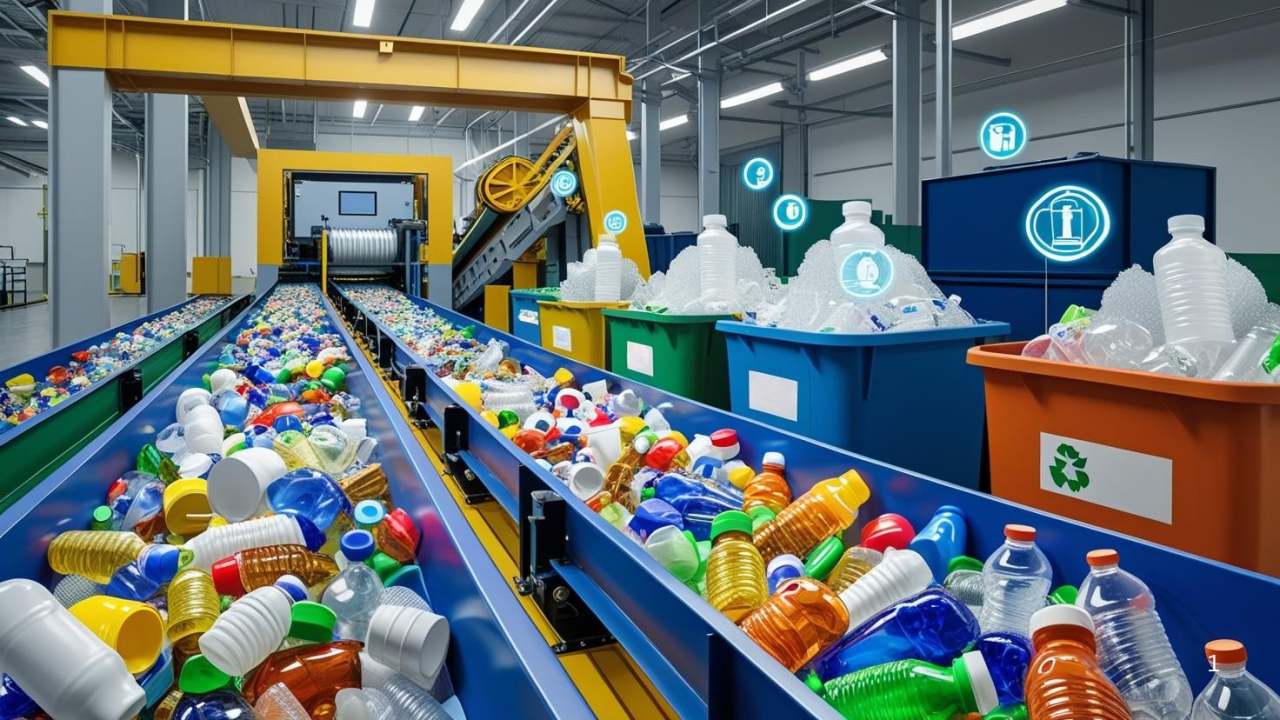
What Are Recycled Plastics?
Recycled plastics are materials made from used plastic items that have been collected, cleaned, and processed into new products. These plastics go through sorting, washing, and melting before being reshaped into new materials. Common types of recycled plastics include:
- Polyethylene Terephthalate (PET): Often used in water bottles and food packaging.
- High-Density Polyethylene (HDPE): Found in milk containers, detergent bottles, and plastic pipes.
- Low-Density Polyethylene (LDPE): Common in plastic bags and packaging films.
Recycled plastics are used across many industries, including packaging, construction, and automotive. For instance, they help make plastic lumber, car parts, and others.
Recycled plastics play a key role in protecting the environment and boosting the economy. Here’s how:
- Recycling plastic helps reduce the amount of waste that ends up in landfills and stops plastic pollution from reaching oceans and rivers.
- It also saves natural resources such as oil and gas, which are used to produce new plastic materials.
- For manufacturers, using recycled plastics can lower production costs. It also supports the economy by creating jobs in recycling, sorting, and processing industries.
2. Top 5 Problems When Working with Recycled Plastics:
1. Contamination in Recycled Plastics
One of the main challenges in using recycled plastics is contamination. When plastic waste is collected, it often contains food, dirt, oil, or other unwanted substances. These contaminants can lower the quality of the recycled plastic.
Contaminated plastic can cause several issues during processing. It may block machinery, change the color of the final product, or weaken its overall strength.
2. Inconsistent Quality and Material Properties
Recycled plastics are not always the same. Unlike new (virgin) plastic, recycled material often comes from different products, each with different additives and properties.
This means the quality of recycled plastic can change from one batch to another. One batch may be strong and flexible, while the next could be weak. This inconsistency makes it difficult for manufacturers who need steady, reliable materials.
In industries that require exact product standards, these variations can lead to failed quality checks, rejected products, and wasted time and resources.
3. Sorting and Processing Challenges
Sorting different types of plastics is one of the most difficult parts of recycling—but it’s also one of the most important. Among the most common recycled plastics problems is the challenge of sorting. When different plastic types are mixed together, they often don’t combine well, which results in weak or unusable materials.
Many recycling facilities struggle with sorting. Automated machines can’t always detect the difference between plastics, and manual sorting is time-consuming and costly.
4. Health and Safety Concerns
Some recycled plastics may still contain chemicals that were added to the original product. During recycling, these substances can stay in the material—or even become more concentrated.
This is a major concern when recycled plastics are used for food packaging. Certain additives may be safe in one product, but not safe when touching food. That’s why many governments have strict rules about using recycled materials in food containers.
To protect consumers, manufacturers must test recycled plastics carefully to make sure they’re safe for the product’s final use.
5. Economic Challenges in Plastic Recycling
Recycling plastic can be expensive. The process of collecting, sorting, cleaning, and turning used plastics into new material requires time, energy, and money.
Meanwhile, producing virgin plastic is often cheaper—especially when oil prices are low. This cost gap makes it difficult for recycled plastics to compete in the market.
Without strong government support or high consumer demand for eco-friendly products, many companies stick with virgin plastics because it saves them money.
3. Solutions to Overcome Problems in Recycled Plastics:
There are practical solutions that can improve material performance, reduce costs, and make recycling more efficient. Here’s how we help our clients overcome these common issues.
1. Investing in Better Sorting and Processing
The first step toward better recycled plastic is improving sorting accuracy. Advanced technologies like optical sorting systems and AI-powered detection are now being used to identify and separate plastic types more efficiently.
We encourage our partners to explore these solutions or work with recycling facilities that use modern equipment. Cleaner, more accurately sorted plastic leads to higher-quality end products—reducing waste and improving consistency.
2. Enhancing Quality with Additives and Cleaner Collection
These additives improve flexibility, durability, and heat resistance, making recycled materials more suitable for industrial applications.
For example, using color-coded bins or separating materials at the source helps prevent contamination. Clean input materials result in higher-quality recycled output, which saves both time and cost during production.
3. Working with Policy and Industry Standards
Government regulations are pushing for more sustainable practices, and we help our clients stay ahead. From minimum recycled content requirements to bans on single-use plastics, staying compliant is easier with the right materials and strategies.
Consistency in sorting, labeling, and processing helps everyone in the supply chain—making recycled plastics more predictable and reliable.
4. Future of Recycled Plastics:
1. Innovative Technologies in Plastic Recycling
Advanced technologies are transforming the way plastics are recycled. One major breakthrough is chemical recycling, a process that breaks plastic waste down into its original chemical building blocks. This method helps eliminate contaminants and allows recycled plastic to match the quality of virgin materials. Unlike traditional mechanical recycling, chemical recycling is capable of processing mixed or heavily soiled plastics—making it a significant innovation for the future of sustainable manufacturing.
2. Global Actions to Combat Plastic Waste
A key initiative in this effort is the Global Plastics Treaty, which promotes international collaboration to cut down plastic pollution. The treaty pushes for stronger recycling infrastructure, reduced reliance on single-use plastics, and greater investment in sustainable, eco-friendly materials. These global measures aim to create a cleaner and more circular economy for plastics.
To learn more about our materials or discuss your specific requirements, please get in touch with us (WhatsApp)